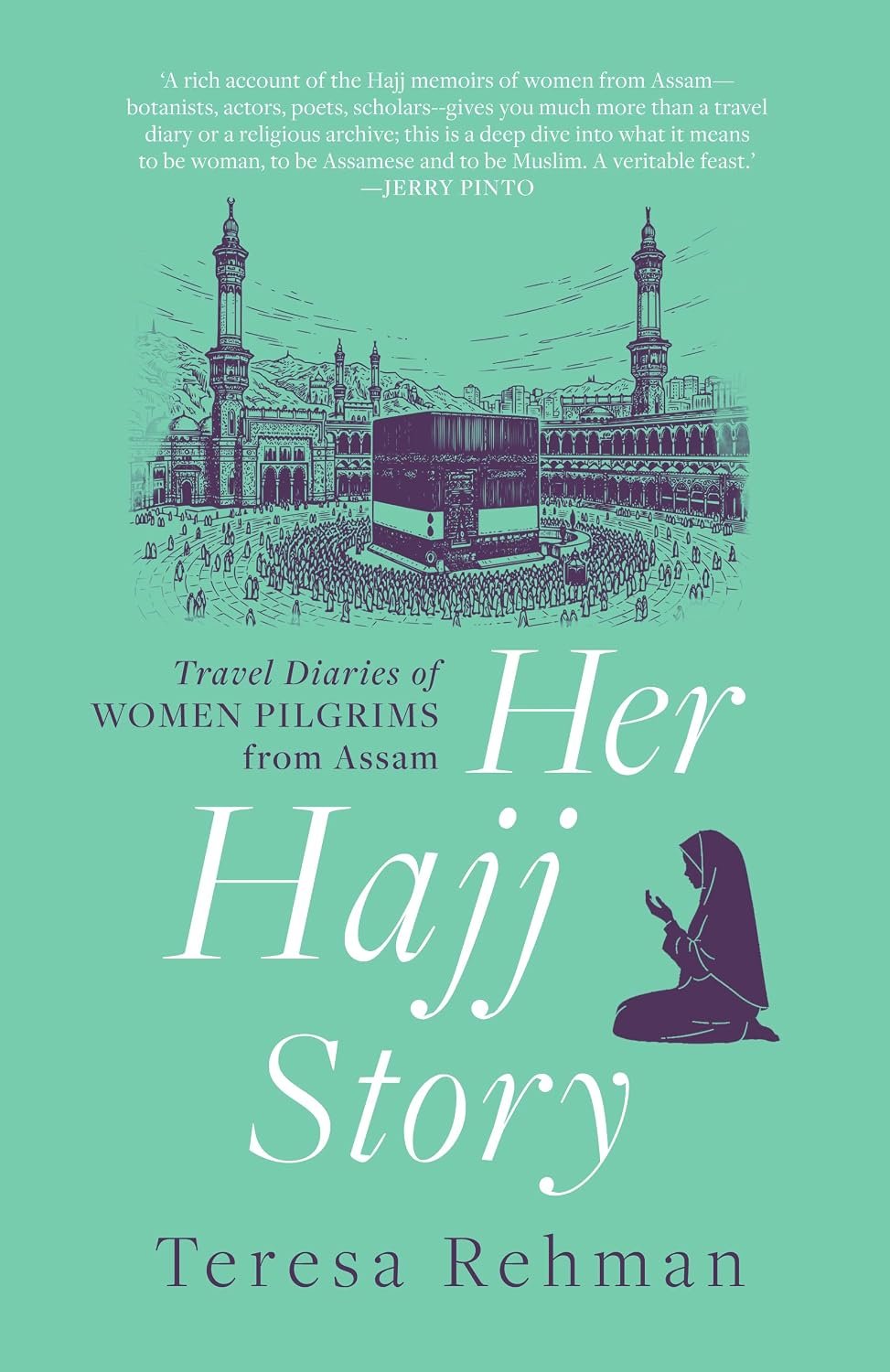
Book Review - Her Hajj Story by Teresa Rehman
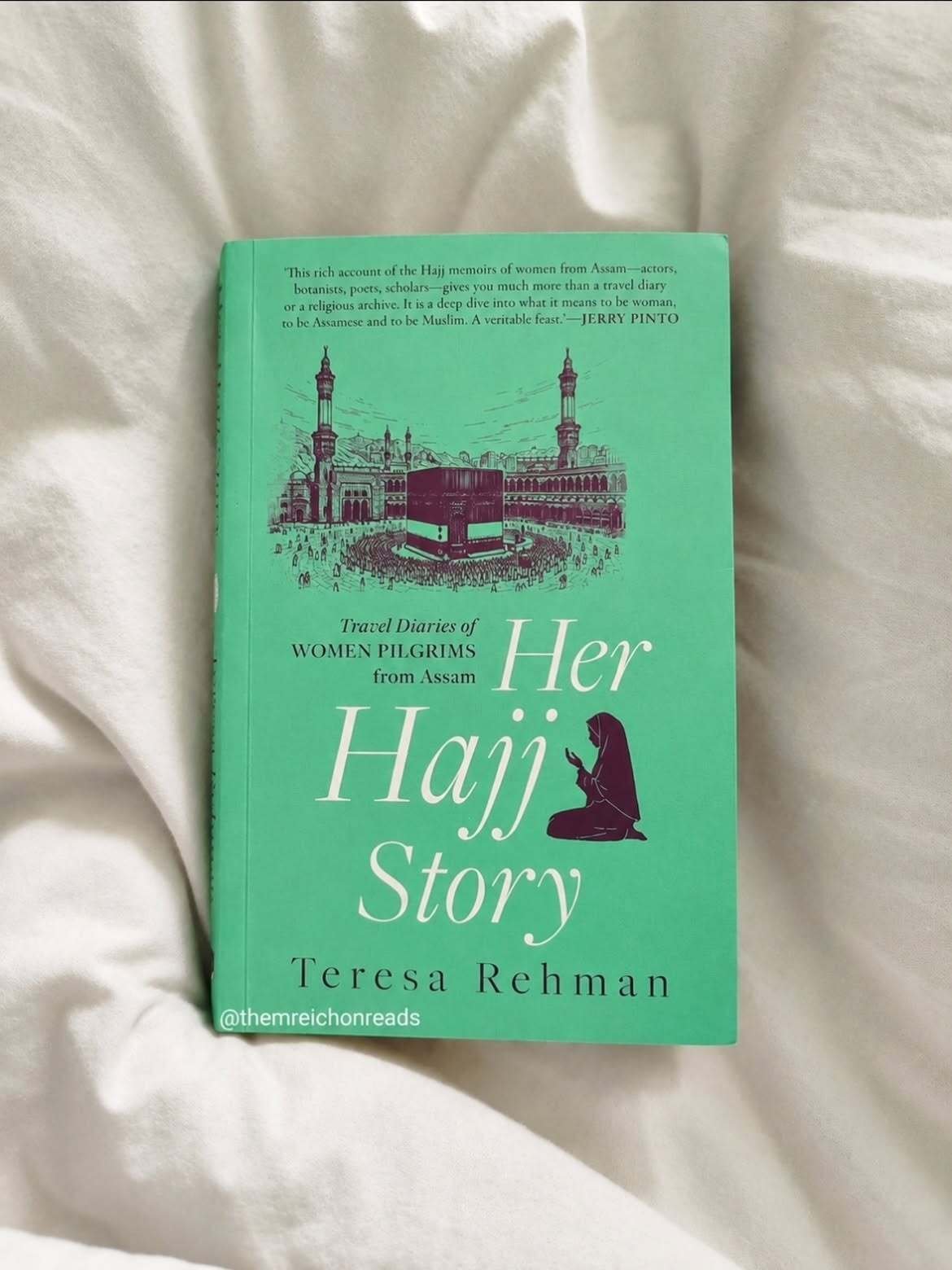
“It is often seen that religious narratives are appropriated by men. Throughout history, male dominance has shaped religious institutions and social mores. Men often appropriate religious narratives by acting as the principal interpreters and gatekeepers of doctrine. However, women's voices come through in these memoirs ….”.
In Her Hajj Story, Teresa Rehman the author and curator of this book takes readers on a profoundly personal and physically demanding journey to Mecca to perform Hajj through the experiences of eleven women from Assam who undertake Hajj at different points in their lives. Part spiritual memoir and part travelogue, the book explores accounts of women's pilgrimage to fulfill one of the core pillars of Islam. The eleven travel memoir takes the readers through their individual struggles, journeys, fears, hopes, and moments of faith. Rehman beautifully brings together these diverse accounts, capturing not only the physical demands of Hajj but also the deeply personal process of seeking, questioning, surrendering, and ultimately finding a connection with God. Through the voices of these eleven women, Her Hajj Story becomes a moving account of pilgrimage—not simply as a religious obligation, but as an intimate journey of the self and the soul, especially pilgrimage accounts written by women.
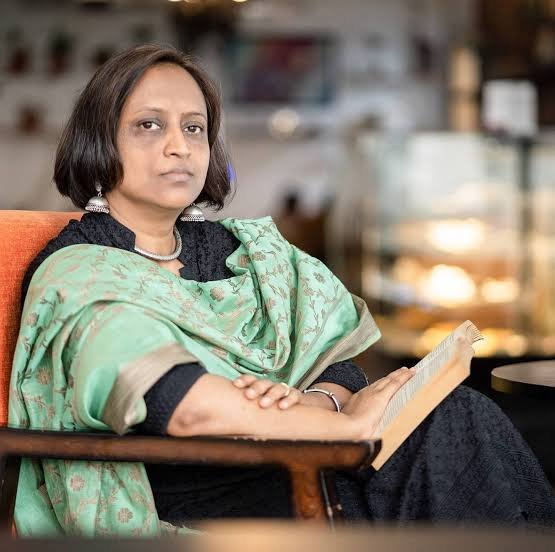
In her introduction, Rehman writes that, “ The idea of a memoir by a woman stayed in my mind for a long time. I felt bad that something written by a woman in the 1970s had not been taken seriously enough to be preserved: such was the life of the woman who had most of her life in the service of others”. And indeed Rehman, successfully unearthed this forgotten memoirs which are translated from Assamese and Bengali. The undiscovered voices of these eleven women serve as the witnesses of faith and history of women going on a pilgrimage. These women are also the preservers of Assam's pilgrimage history. Rehman’s curation of these stories becomes an act of celebrating the power, resilience, and diversity of women’s voices from Northeast India.
These women are from all walks of life, a widow; an actor; a botanist; a mother and daughter; social workers; scholars and poets. Each of these women brings their own experiences about their journey to perform Hajj. These accounts almost read like survival guides to follow when one goes on a pilgrimage, especially as a woman.
Rehman does more than document the rituals and physical demands of Hajj. She pays attention to what it means to experience the pilgrimage as a woman, and more specifically, as an Assamese Muslim woman. The stories of these eleven women capture the practical difficulties as well as the emotional and spiritual complexities of pilgrimage—the moments of exhaustion, vulnerability, uncertainty, devotion, and surrender. In doing so, Her Hajj Story becomes not only a collection of pilgrimage narratives but also a companion for women who may one day undertake this journey themselves.
Her Hajj story is more than just pilgrimage memoirs through the eyes of women. Rather it also brings questions of culture, identity and belonging into a journey that is, at its heart, about faith and surrender. Rehman profoundly curates these voices into a book that feels intimate, honest and deeply human. It is a collection of women's journeys towards something they believe in and, perhaps, towards versions of themselves they had not encountered before. It is a living testimony to the power of women telling their own stories, in their own ways, and making their journeys of faith visible.
If you are looking for a book that goes beyond the rituals of Hajj and allows you to experience the pilgrimage through the eyes, bodies and voices of women, Her Hajj Story is one to pick up. Come for the journey to Mecca, but stay for the stories of faith, struggle, vulnerability and transformation that these women carry with them.
“Hajj was done. A sense of emptiness was creeping in my heart. I wish there was no return ticket. I wanted to spend more time in their holy place with their congregation of people who prayed together irrespective of their class, caste and creed.”
Review by @themreichonreads
Nothing here yet.
Sign in to leave a comment.