Nilima Khaling Rai Returns with This Summer I Will Kill Myself, a Novel on Mental Health, Trauma, and Recovery
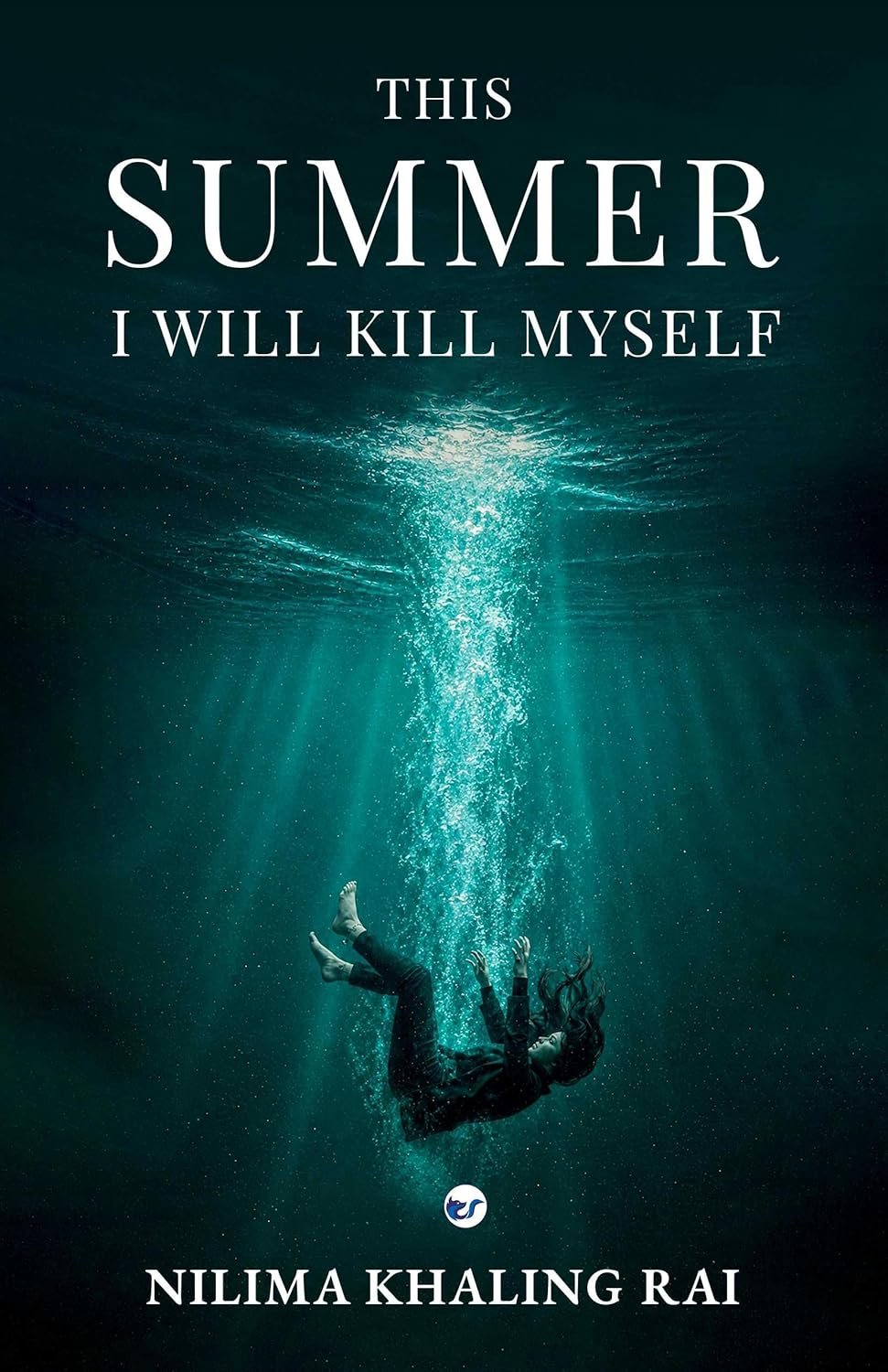
Sikkimese author Nilima Khaling Rai has released her second novel, This Summer I Will Kill Myself, now available on Amazon, Flipkart, and Ziffybees.
The release follows the positive reception of her debut novel, The Pause, a psychological thriller that drew praise from readers for its suspense, emotional depth, and unsettling exploration of memory, violence, and human behavior. Readers described the novel as “a thriller that stays with you long after the last page,” while others highlighted its psychological complexity, slow-burning tension, and ability to keep them questioning what was true until the very end.
Several reviews noted that The Pause stood apart from conventional thrillers by focusing less on shock value and more on the emotional and psychological realities shaping its characters. One reader described it as a story that leaves readers “thinking long after you're done reading,” while another praised its exploration of generational violence and distorted memory as “uncomfortably real.”
With This Summer I Will Kill Myself, Rai takes a different literary direction. Rather than a suspense-driven narrative, the novel turns inward, following Sarah, a twenty-four-year-old high-achieving woman whose carefully maintained exterior conceals a profound internal struggle.
The novel explores themes of high-functioning depression, anxious attachment, generational trauma, gifted-child burnout, and the often non-linear process of recovery. Drawing from psychology, attachment theory, and neuroscience, Rai integrates research-driven insight into a deeply personal story without losing its emotional intimacy.
Speaking about the novel, Rai described it as her most honest work to date.
“This is the most honest work I have produced. It is a story about the gap between who we appear to be and who we actually are, and what it costs to close that distance.”
While The Pause established Rai as a writer capable of crafting psychological tension and moral ambiguity, This Summer I Will Kill Myself shifts its focus toward emotional vulnerability, self-perception, and healing. The transition reflects a broader range in her writing, moving from external suspense to the quieter but equally complex landscapes of the human mind.
As conversations around mental health continue to gain greater visibility in literature, Rai's latest novel offers a nuanced portrayal of depression, trauma, and resilience — inviting readers into a story that examines not only survival, but the difficult work of understanding oneself.
For readers who appreciated the psychological depth and emotional complexity of The Pause, this new novel promises another deeply affecting reading experience, albeit in a very different form.

Nothing here yet.
Sign in to leave a comment.