Nobody here has read this yet. You would be the first.
About the book
‘Whatever the issue, if you must shoot me, please shoot me with a gun made in India. I don’t want to die by a foreign bullet. You see, I love India very much.’ Considered a radical, the leading Manipuri poet, essayist, and memoirist Thangjam Ibopishak not only writes about the city which dehumanises its dwellers but also reveals a romantic bent as seen in his poems about the countryside, nature…Show more
‘Whatever the issue, if you must shoot me, please shoot me with a gun made in India. I don’t want to die by a foreign bullet. You see, I love India very much.’
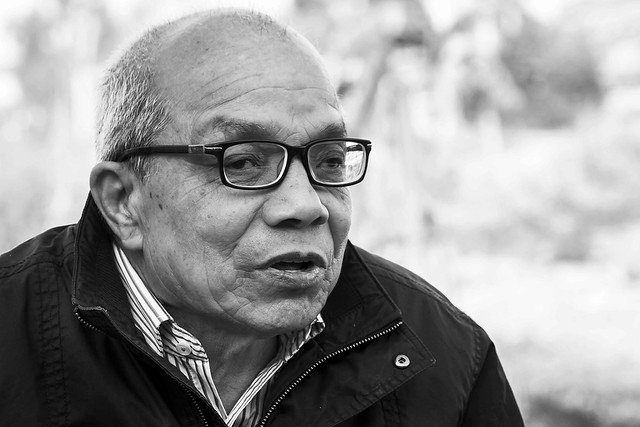
Considered a radical, the leading Manipuri poet, essayist, and memoirist Thangjam Ibopishak not only writes about the city which dehumanises its dwellers but also reveals a romantic bent as seen in his poems about the countryside, nature, and love. His forte is perhaps witty, biting satire, where he uses colloquial language and absurdist irony in his verse. A self-professed atheist who often speaks about God, non-partisan but politically conscious, Thangjam Ibopishak’s contradictions lend complexity to his poetry and make him a significant presence in contemporary Indian poetry.
This translation by poet Robin S Ngangom, for the first time, introduces the English-speaking world to the thematically wide-ranging poetry of Thangjam Ibopishak, picked from his earliest collection through his latest published in 2017.
The political is omnipresent in these poems, which are attuned to the everyday emergencies of heavily militarised North-eastern India. From the cannibalism of power, the crossfire of automatic weapons erasing birdsong, the poet turns for sustenance to the natural world. But nature, too, has been tainted by politics: ‘There’s no territory in the world of birds no politics/ no government no newspapers no police no lock-ups.’ — Ranjit Hoskote
Book details
Thoughts
Nobody here has written about this book yet.
